A warning can become a destination
Repeated too often, it stops warning and starts decorating.
The Nexusland sites
EPISODE 01 · THE CHRONICLE OF THE BUILD
Every future on our screens looks the same.
The first film of the chronicle asks why we keep drawing the future in black ink, and offers one principle to start from.
Nexusland Conceptual Art · CONCEPT
THE FILM
The film is not published here yet.
No date. It is published when it is ready. The chronicle lives on our channel.
Nexusland Conceptual Art · CONCEPT
WHAT IT IS ABOUT
A map shows you where to go. A warning only tells you what to avoid.
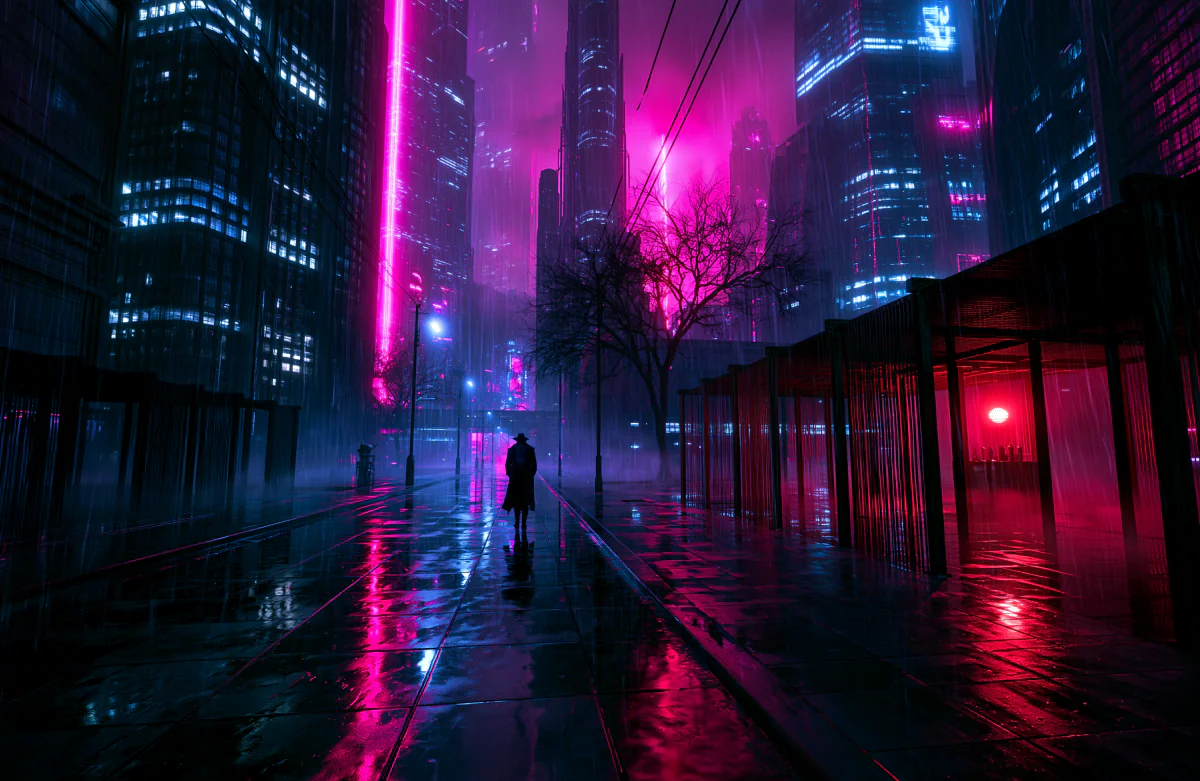
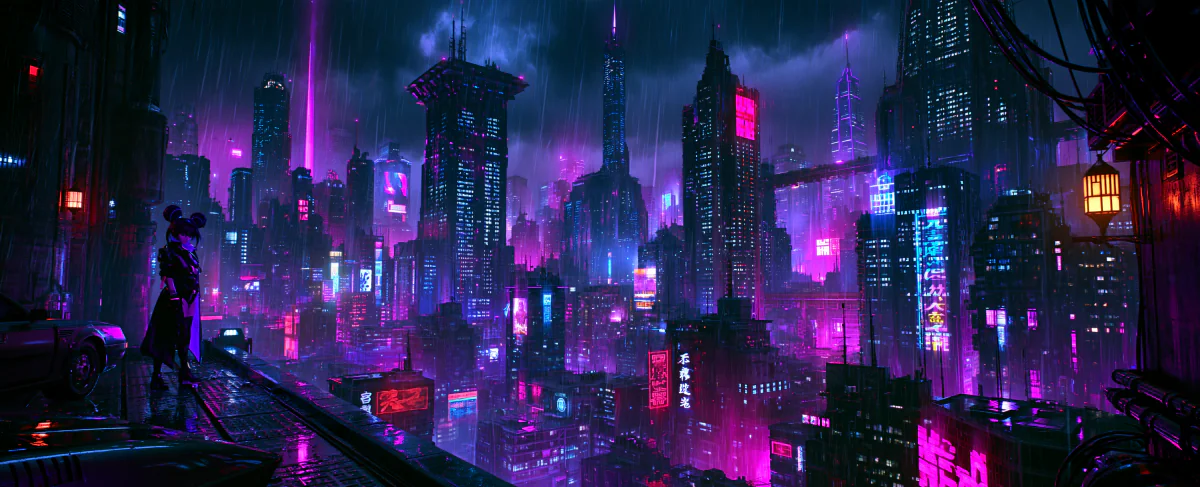
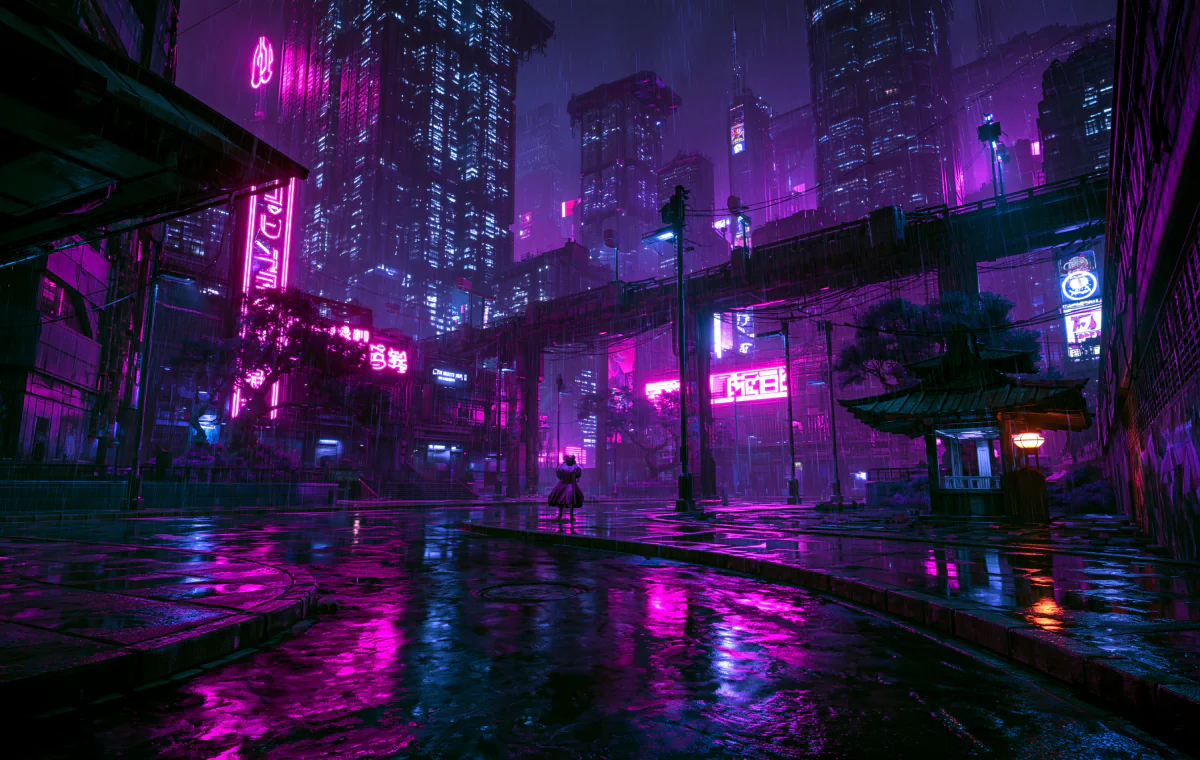
Rain. Neon. Darkness. The film begins with a small test: try to name one film, one show, one game about a future you would actually want to live in.
It then follows how the dark future began. It was a warning: high technology can live right beside loneliness and total control, in a world where systems are powerful and people are small. Then the warning became a style, a look for games, fashion, and brands. The message was lost; the decoration remained. In the film’s words: “A warning repeated too often becomes a destination.”
The film argues that this is not only about screens. It cites a Pew Research Center survey in which most adults in the countries surveyed expect their children to be worse off financially than their parents, and research on how stories of collapse change what people are willing to justify. The pictures of the future we watch can change what we do today.
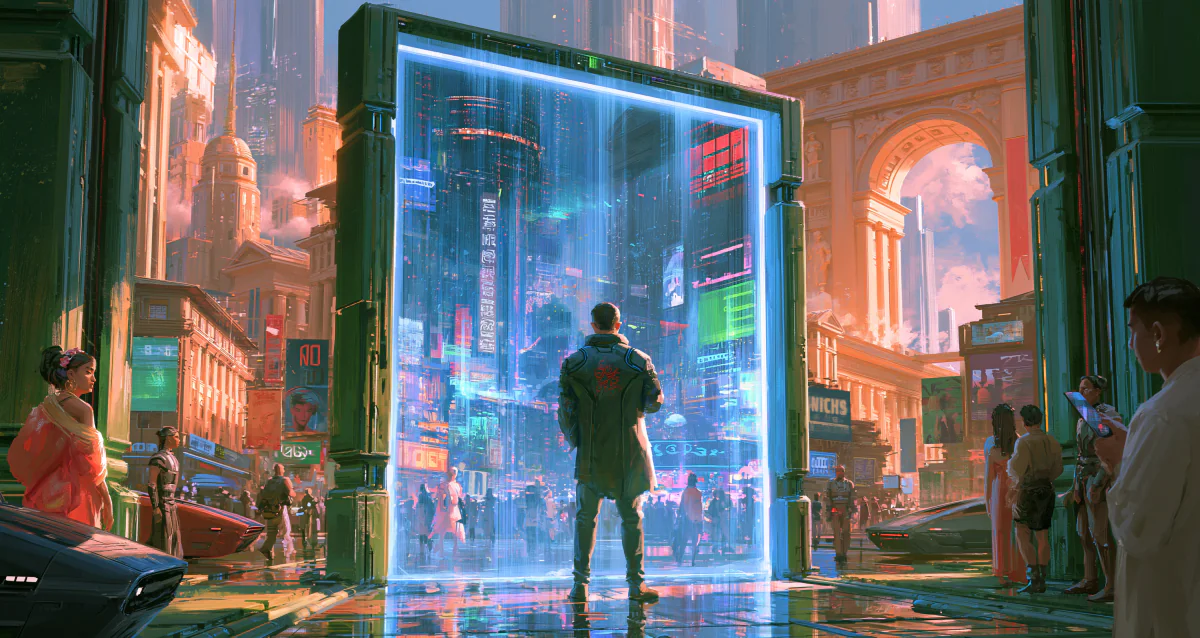
It does not ask anyone to forget the warnings. It asks for the thing a warning cannot give: a picture of where to go. That is Principle Number One. The film shows one case where a hopeful picture on a screen helped real people build a real future, gives the direction a name, Luminous Futurism, and says plainly where Nexusland stands.
Nexusland Conceptual Art · CONCEPT
CHAPTERS
From one question to one small action.
Rain, neon, darkness, and a question for the viewer.
A new world is arriving faster than our picture of it.
How a message turned into a moodboard.
What people now expect for their children.
What stories of collapse do to those who watch them.
A generation raised to believe in a bright, humane future.
We weren’t born preferring grey.
Why useful warnings are still not enough.
Picture a future you would want to live in, before you build.
A hopeful future on a screen, and the people it helped.
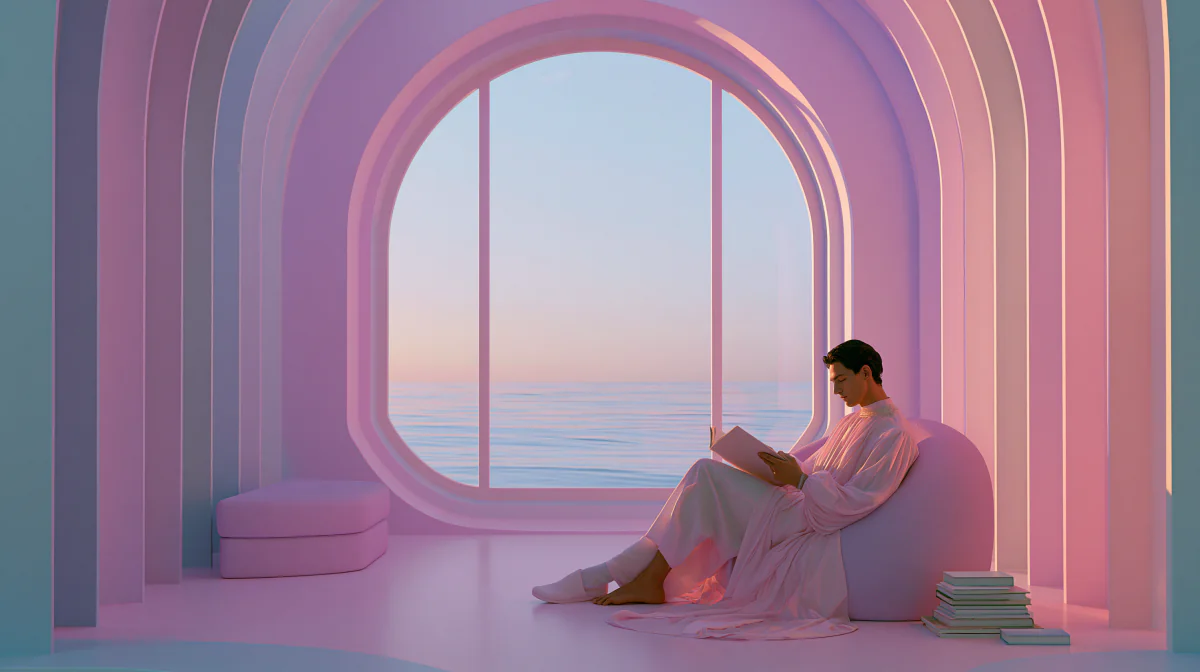
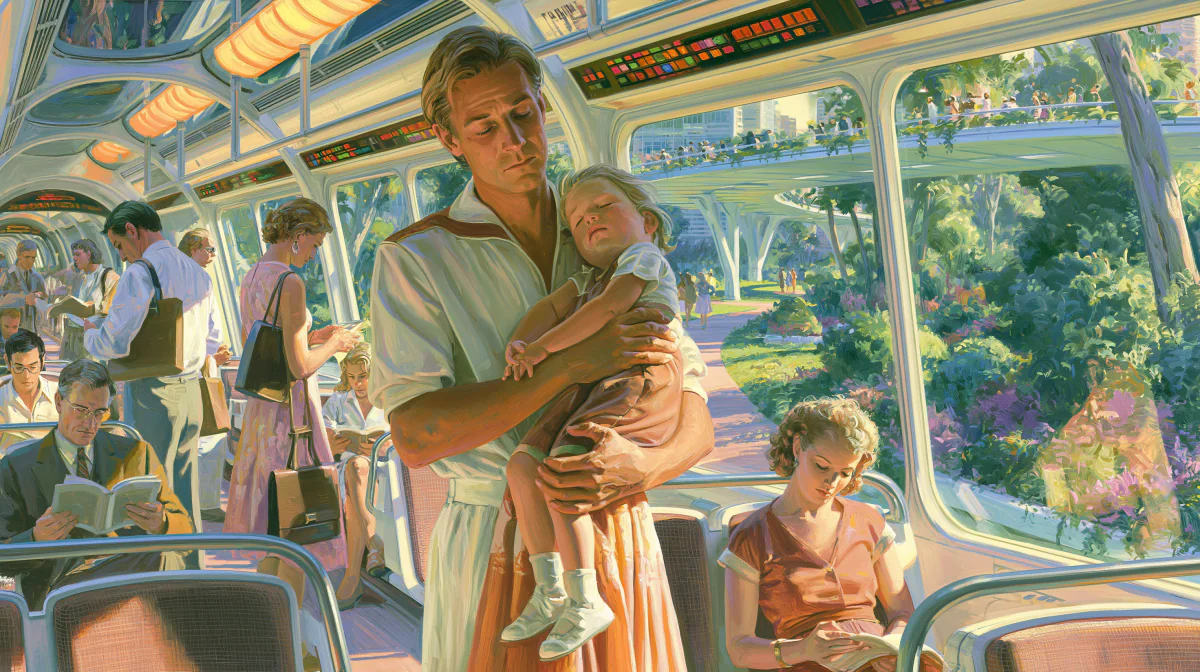
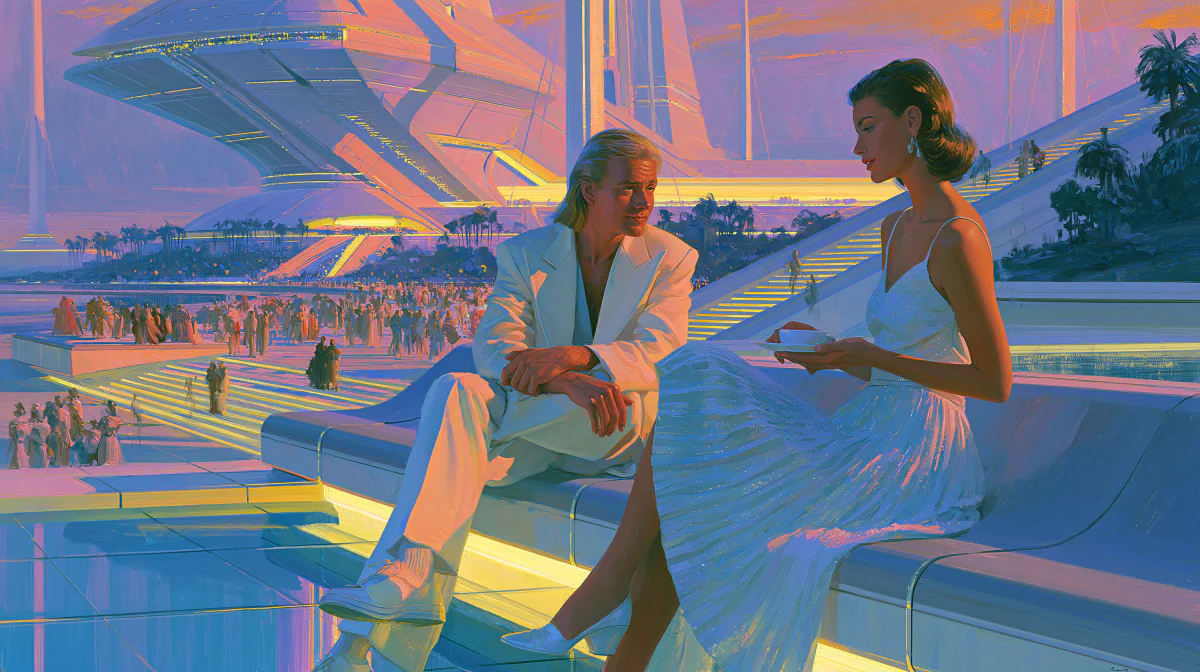
Daylight after neon. A garden after a dark alley. A civic square after a corporate maze.
A diagnosis, not a product. Then: find one image of a future that feels like home.
THREE THOUGHTS TO KEEP
Three lines worth carrying out of it.
Repeated too often, it stops warning and starts decorating.
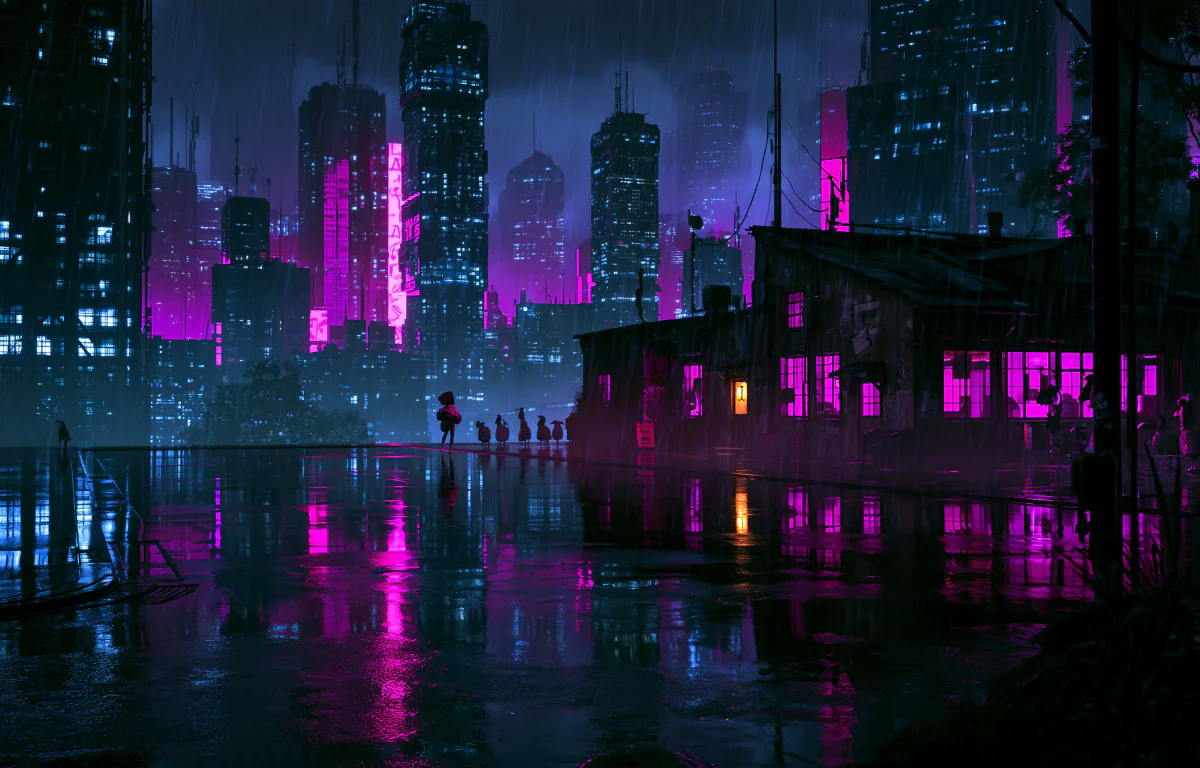
Screen by screen, year by year. An expectation can be changed.
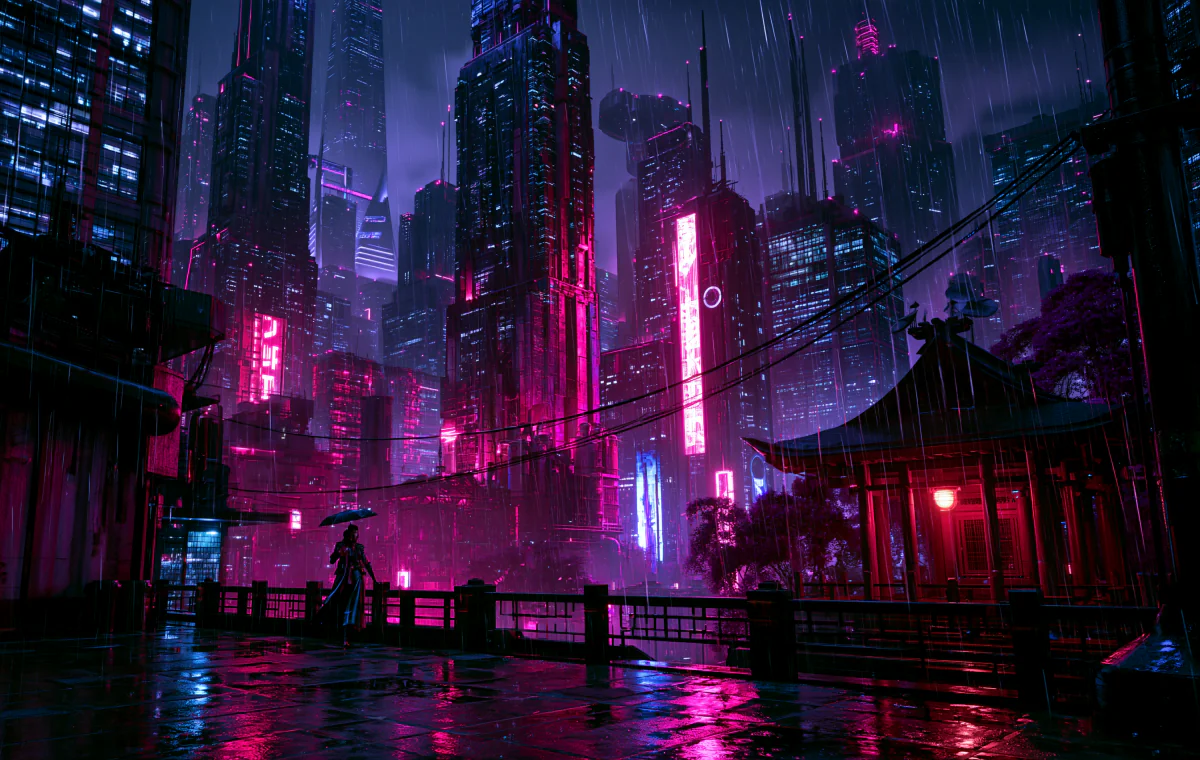
A place to study, work, rest, raise children, celebrate, recover, and grow.
Nexusland Conceptual Art · CONCEPT
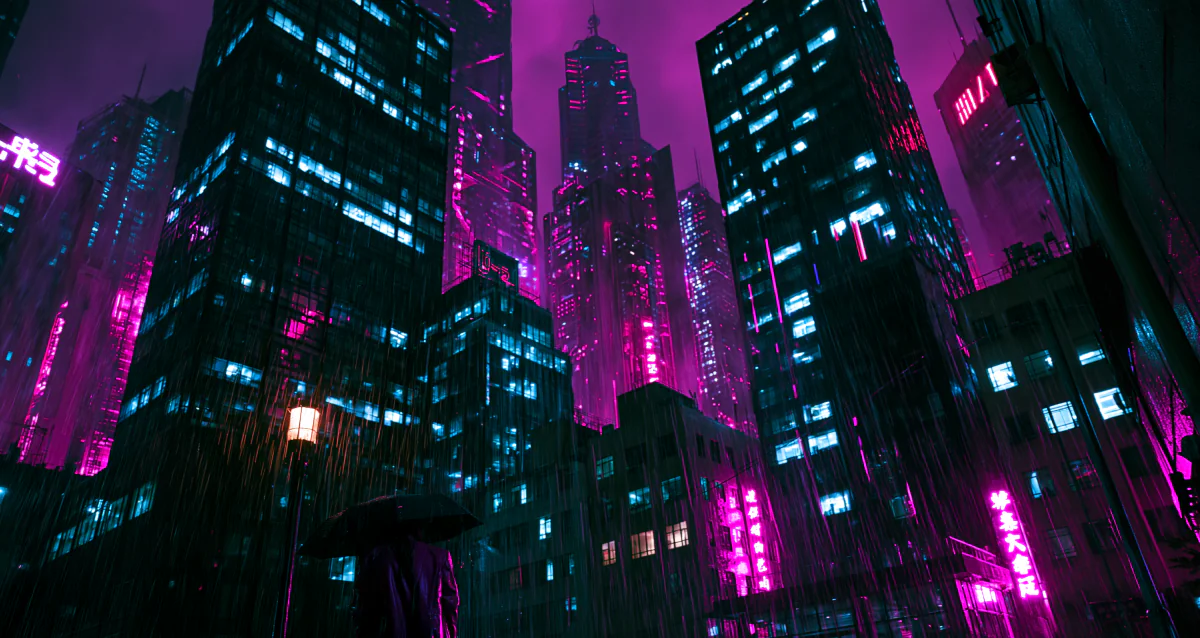
PRINCIPLE NUMBER ONE
Before you build a future, you have to be able to picture one you would want to live in.
Nexusland Conceptual Art · CONCEPT
HONEST STATUS
There is no live product yet. Here is what we are building.
The film says it plainly: there is no product to show, and none is promised. What exists is the foundation: the ideals, the visual code, and the structure of the whole world, written down.
Nexusland Conceptual Art · CONCEPT
NAMED IN THE FILM
What the film points to, so that you can check it yourself.
Short excerpts and stills from the works named above are shown for commentary and criticism and belong to their owners. Nexusland is not affiliated with, sponsored by, or endorsed by any of them, or by NASA or Pew Research Center. Music and sound: licensed and original. All other pictures: Nexusland Conceptual Art.
A film. One of the works where the dark future took shape as a warning.
A novel from the same years and the same warning.
A survey of adults in many countries about whether their children will be better or worse off financially than their parents.
Experiments on what dystopian stories do to their audience.
A hopeful future on a screen, and her later work with NASA to bring new people into the astronaut corps.
Two astronauts of the 1978 class, which her recruitment drive is widely credited with helping to bring in.
GO FURTHER
Follow the build, or read what it stands on.
What we built, what we decided, what comes next. Unsubscribe any time.
What it is, what it is not, and the principles underneath.
Nexusland Conceptual Art · CONCEPT
NEXUSLAND
This is the very beginning, and that is why it matters.
Next: one more thing that feels broken, and the principle that could fix it. No date.
Nexusland Conceptual Art · CONCEPT
Necessary cookies are always on: without them the sites do not work. The other kinds are not used today. What you allow here applies only if they are added, and you can change it at any time under «Cookie settings» at the bottom of every page.
Keep the sites working and safe: your cookie choice and the protection of the forms from bots.
Would count visits to improve the sites. Not used today.
Videos embedded from YouTube, which may set its own cookies when a video plays. Not used today.
Would measure advertising. Not used today.